

Staying ahead of the curve in construction compliance is crucial for ensuring safer worksites and smoother project execution. As we look towards 2026, adopting proactive strategies and leveraging technology will be key for construction companies aiming to maintain high standards of safety and regulatory adherence. Let's explore some best practices that will define construction compliance in the coming years.
Embracing Digital Transformation for Compliance
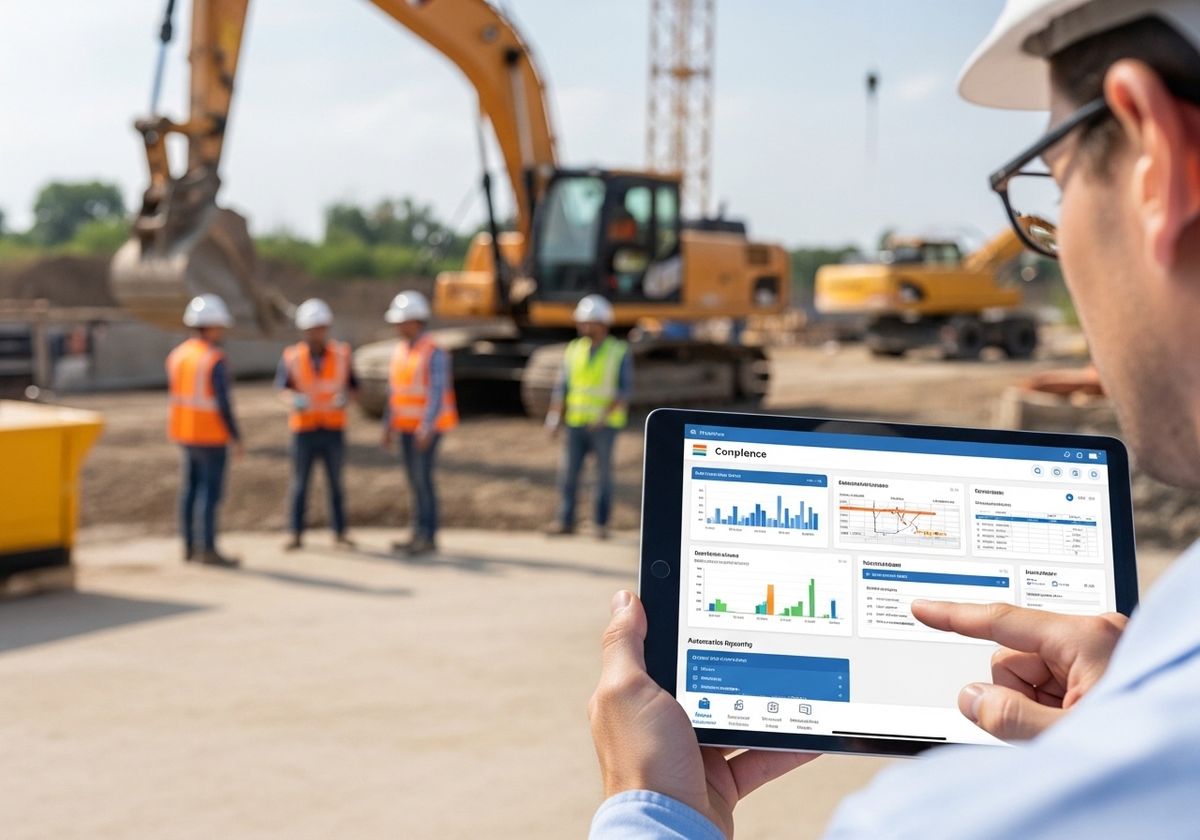
Digital tools are revolutionizing how construction projects are managed, especially in the realm of compliance. Construction project management has been made easier than ever before through new cutting edge technology. Compliance and risk management software offers real-time data analysis, automated reporting, and improved communication channels. By digitizing your compliance processes, you can reduce paperwork, minimize errors, and ensure that all project stakeholders are on the same page.
Leveraging AI for Hazard Identification
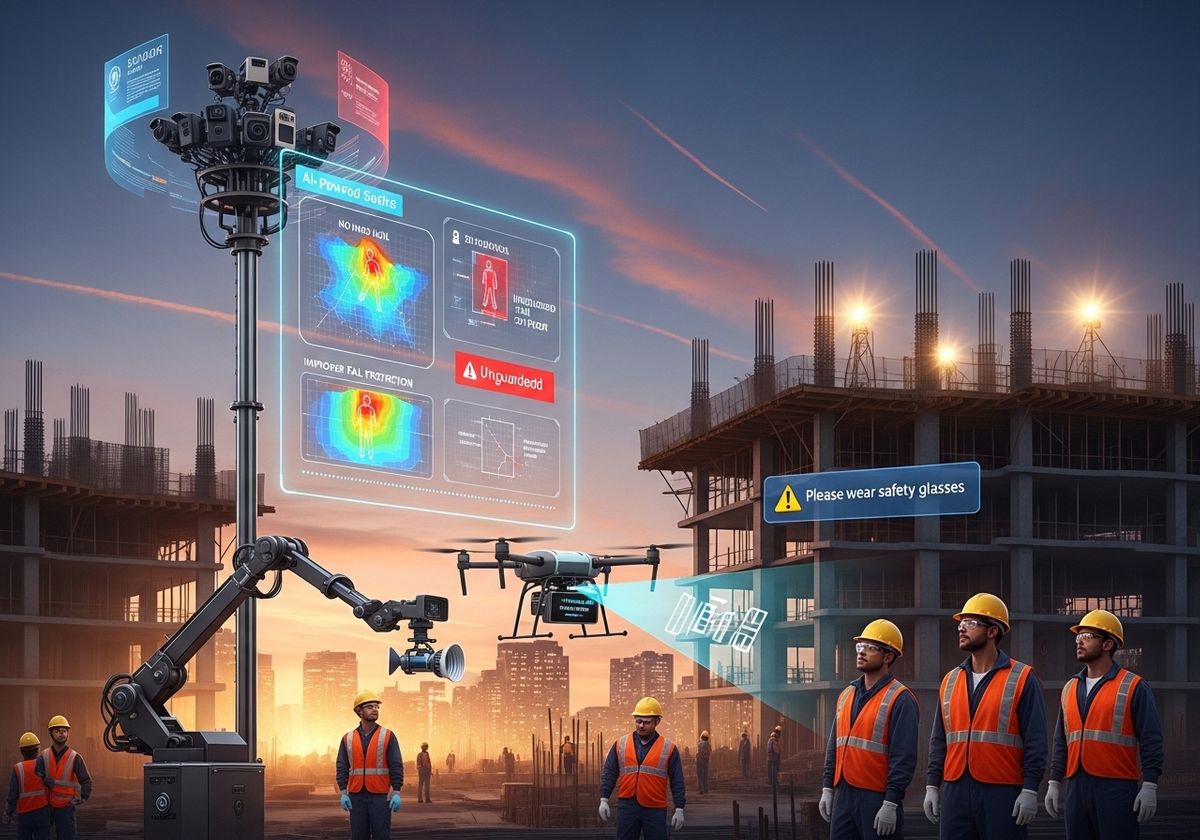
Artificial intelligence (AI) is emerging as a powerful tool for identifying and mitigating construction hazards. AI-powered systems can analyze images and videos from job sites to detect potential risks, such as unsafe working conditions or lack of personal protective equipment. This technology enables proactive intervention, preventing accidents before they happen and significantly enhancing construction site safety. SnapAuditAI provides capabilities like these today with cutting edge AI-powered analysis of job sites.
Strengthening Training Programs
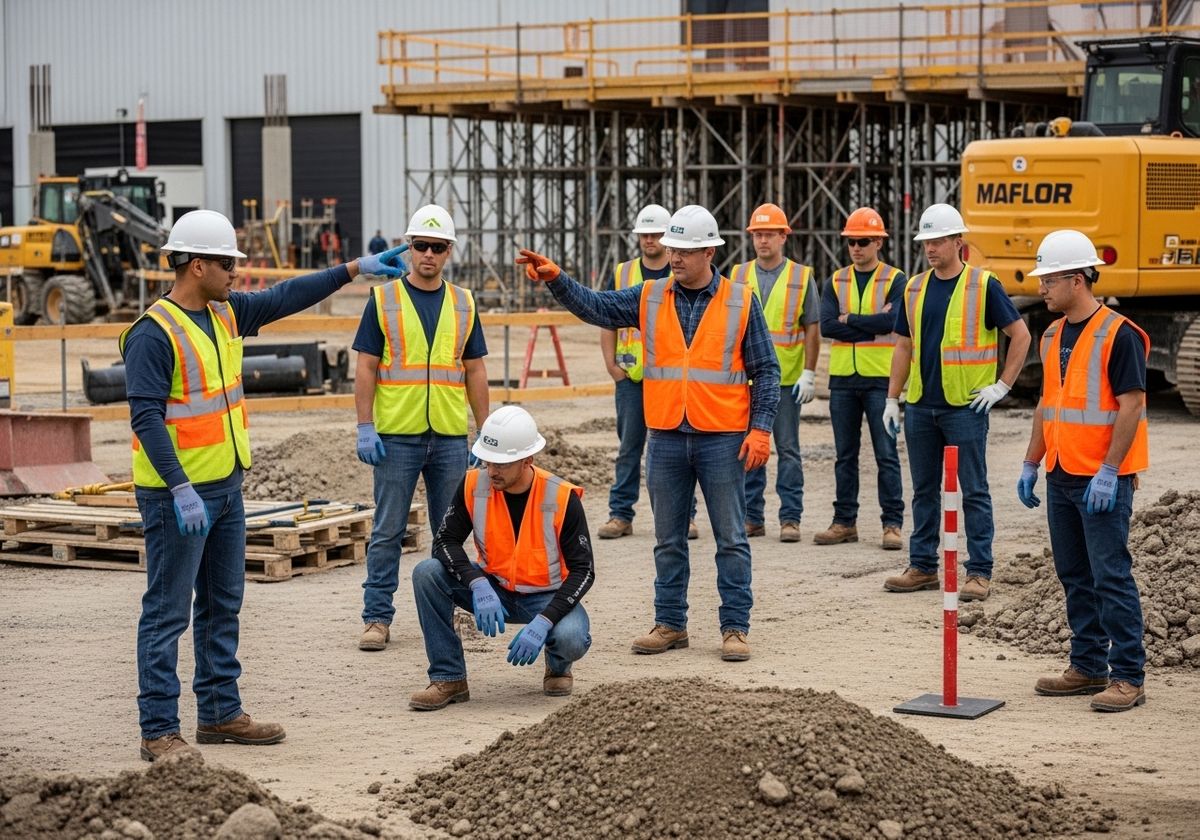
Investing in comprehensive training programs is essential for fostering a culture of safety and compliance. Training should cover not only regulatory requirements but also practical skills for identifying and addressing construction hazards. Regularly updated training modules and hands-on simulations can help workers stay informed and prepared for the challenges they may encounter on the job site. A safer crew is a more productive crew.
Prioritizing Communication and Collaboration
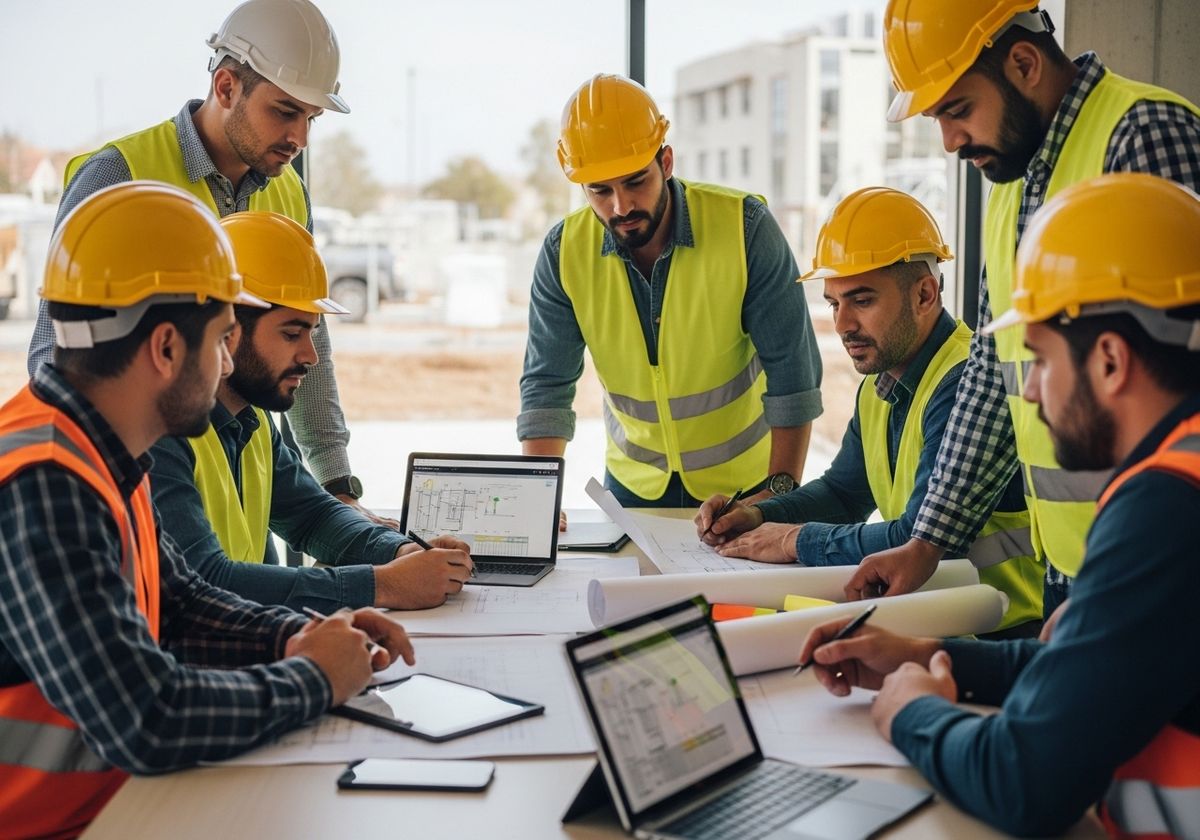
Effective communication is the foundation of any successful compliance program. Establishing clear channels of communication between project managers, supervisors, and workers is crucial for ensuring that everyone is aware of their responsibilities and any potential risks. Regular meetings, safety briefings, and digital communication platforms can facilitate collaboration and promote a shared commitment to safety. This helps improve compliance in the construction industry across the board.
Staying Updated with Regulatory Changes
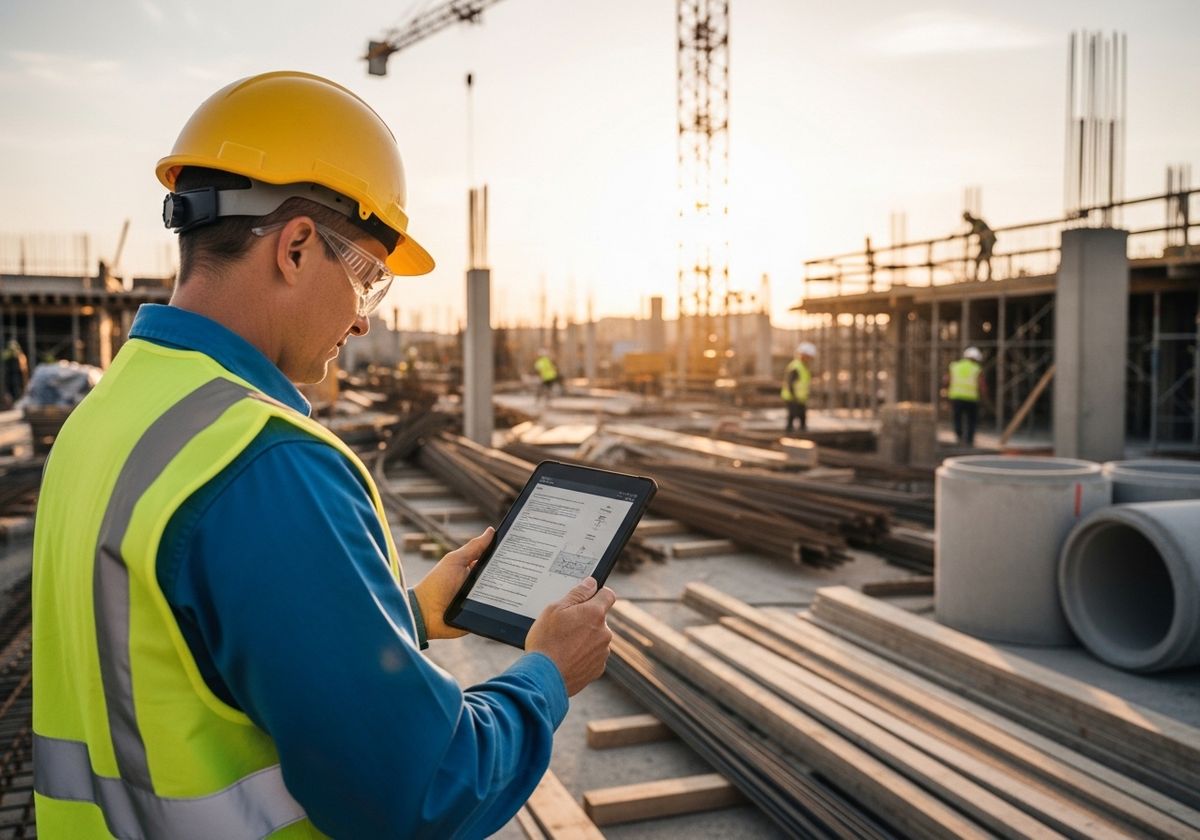
The regulatory landscape for construction is constantly evolving, making it essential to stay informed about the latest changes and updates. Subscribing to industry publications, attending conferences, and working with compliance experts can help you stay ahead of the curve and ensure that your projects meet all applicable requirements. No one wants to be caught out of compliance and face the consequences of fines or worse.
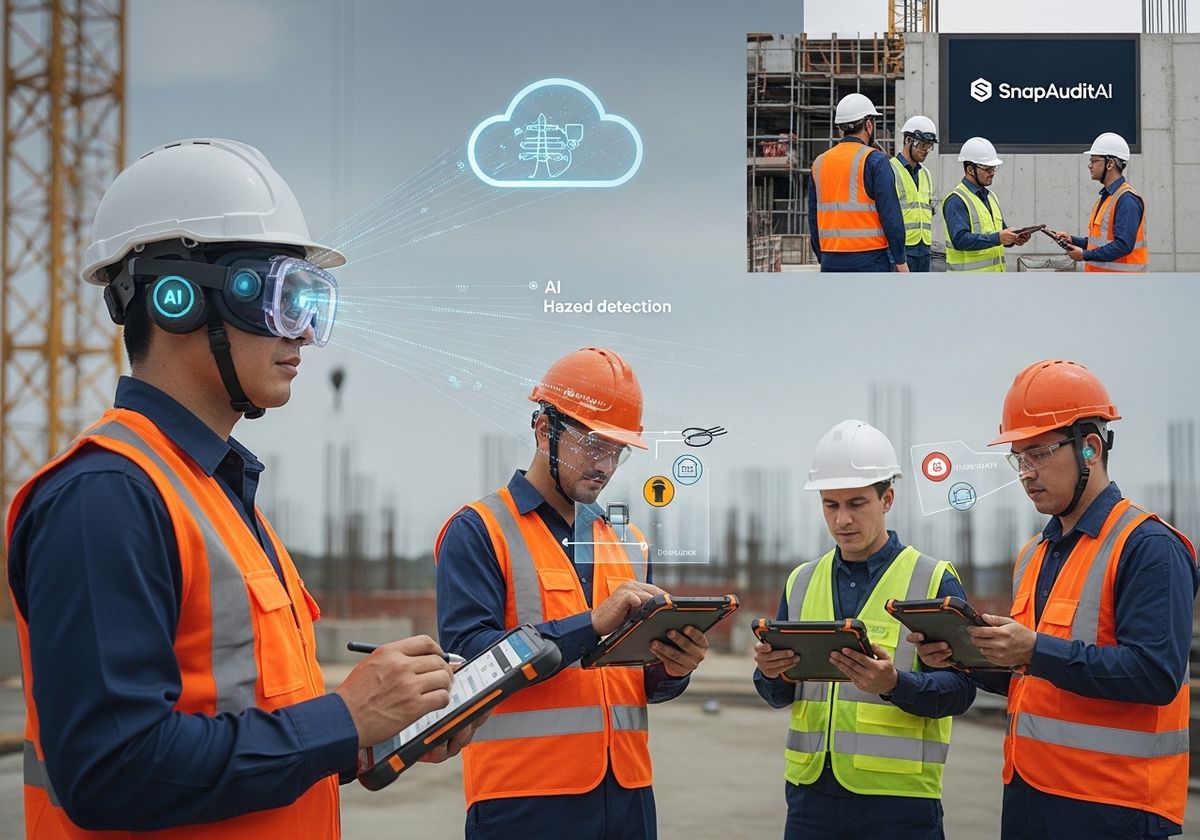
The best practices for construction compliance revolve around embracing digital transformation, leveraging AI for hazard identification, and fostering a culture of safety through training and communication. By prioritizing these strategies, construction companies can enhance safety, reduce risks, and improve project outcomes. SnapAuditAI is at the forefront of this evolution, offering a cloud-based solution that combines real-time AI analysis with project insights. Ready to elevate your construction compliance? Explore SnapAuditAI's features or contact us today to learn more about how we can help you build safer worksites.