
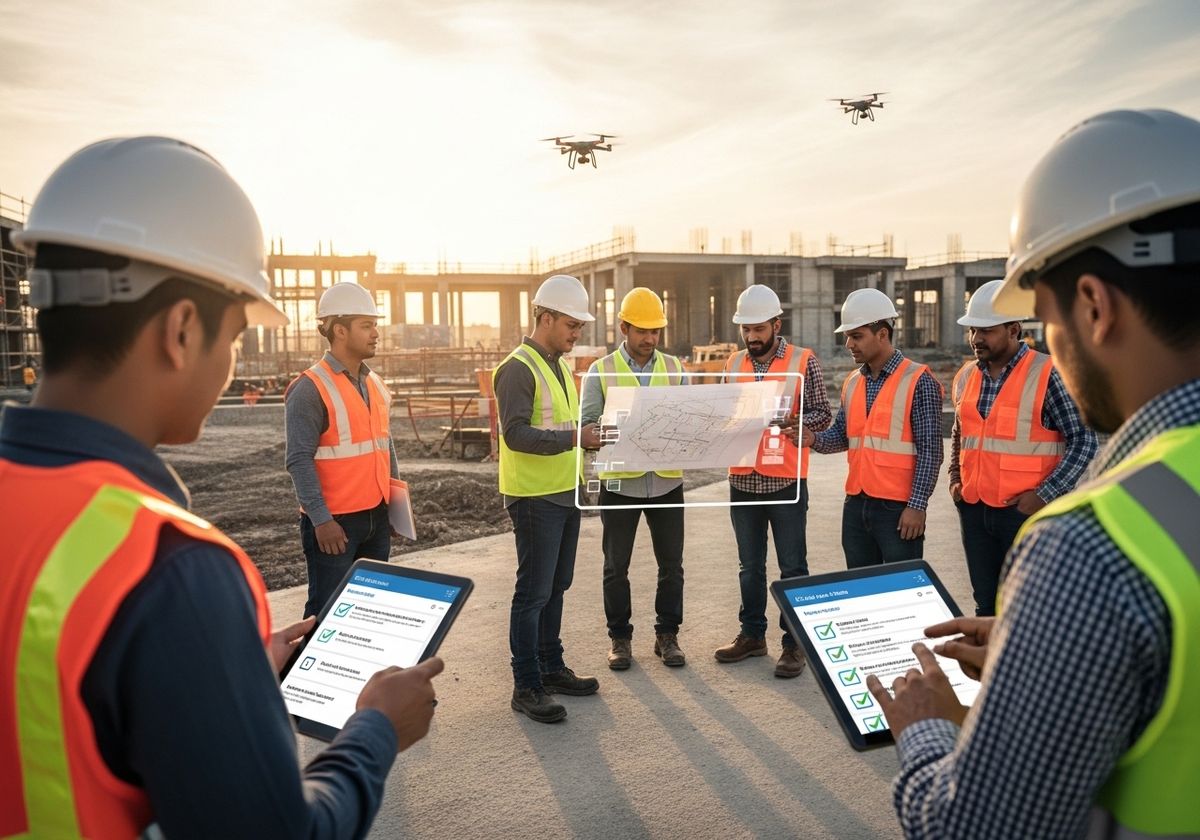
Construction sites are inherently dynamic and present numerous potential hazards. Effective planning is the cornerstone of a safe construction project, laying the groundwork for hazard mitigation and regulatory compliance. By prioritizing safety from the outset, construction companies can significantly reduce accidents, injuries, and fatalities, fostering a safer work environment for everyone involved.
Identifying and Assessing Construction Hazards
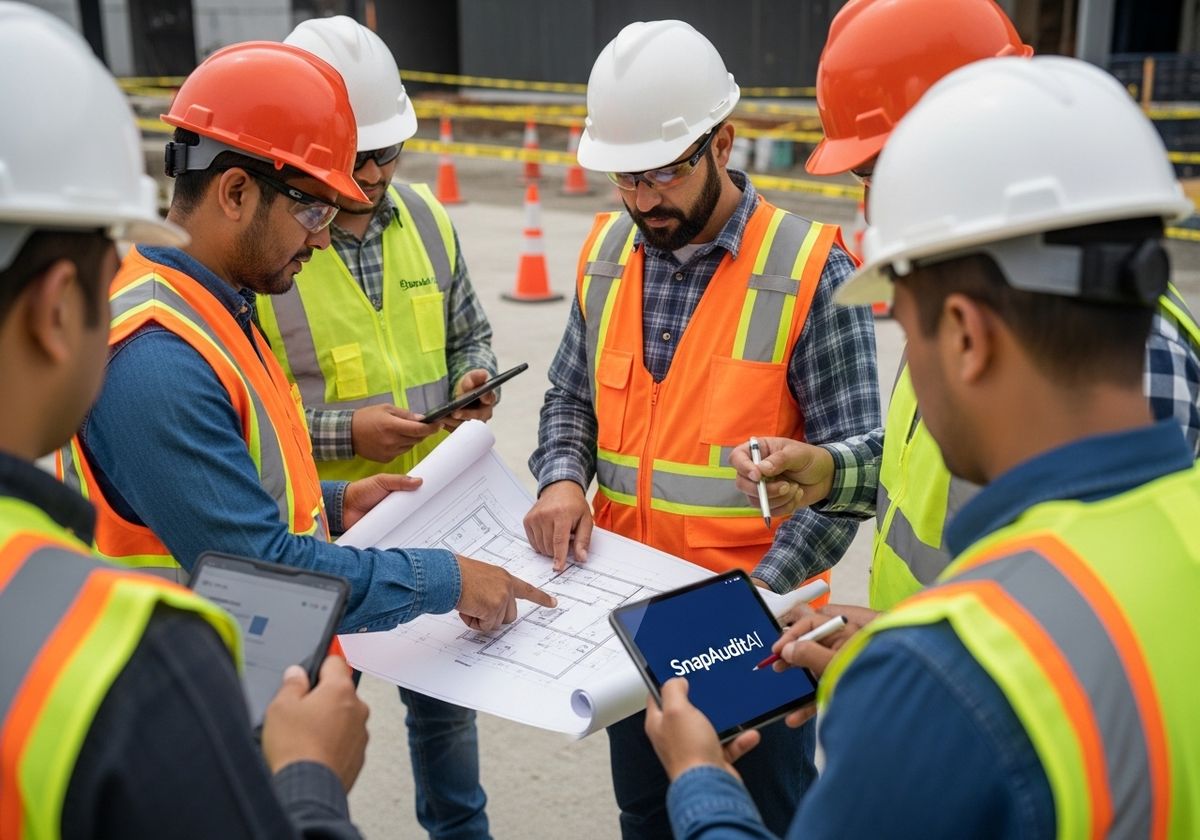
The initial phase of safety planning involves a thorough identification and assessment of potential construction hazards. This includes evaluating site conditions, equipment usage, work processes, and environmental factors. Construction hazards can range from falls from heights and struck-by incidents to electrocution and exposure to hazardous materials. A comprehensive risk assessment enables project managers to prioritize safety measures and allocate resources effectively. SnapAuditAI provides a cloud-based solution that quickly identifies hazards, checks compliance, and generates clear safety reports.
Integrating Safety into Construction Project Management
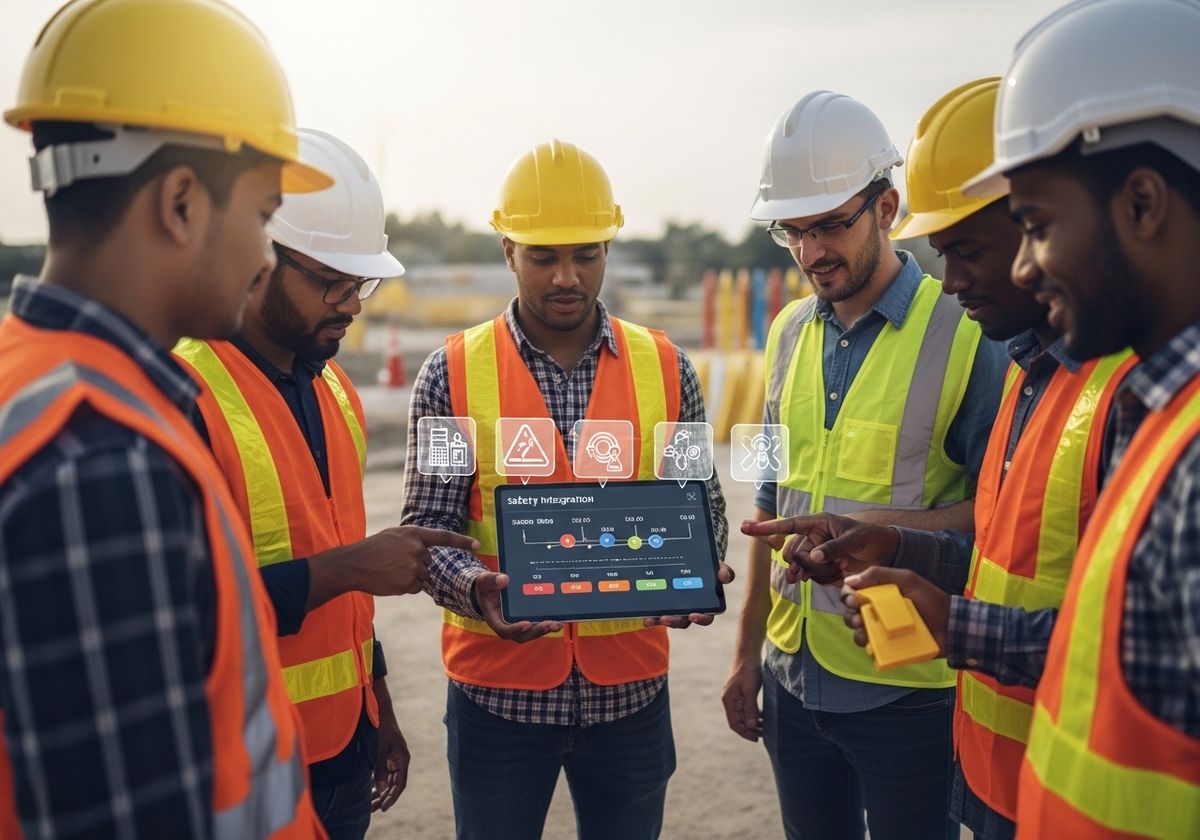
Safety should not be treated as an afterthought but rather integrated into every aspect of construction project management. This includes incorporating safety considerations into project timelines, budgets, and resource allocation. Regular safety meetings, training sessions, and toolbox talks are essential for reinforcing safety protocols and promoting a culture of safety awareness among workers. By making safety an integral part of project management, construction companies can ensure that safety remains a top priority throughout the project lifecycle.
Leveraging Compliance and Risk Management Software
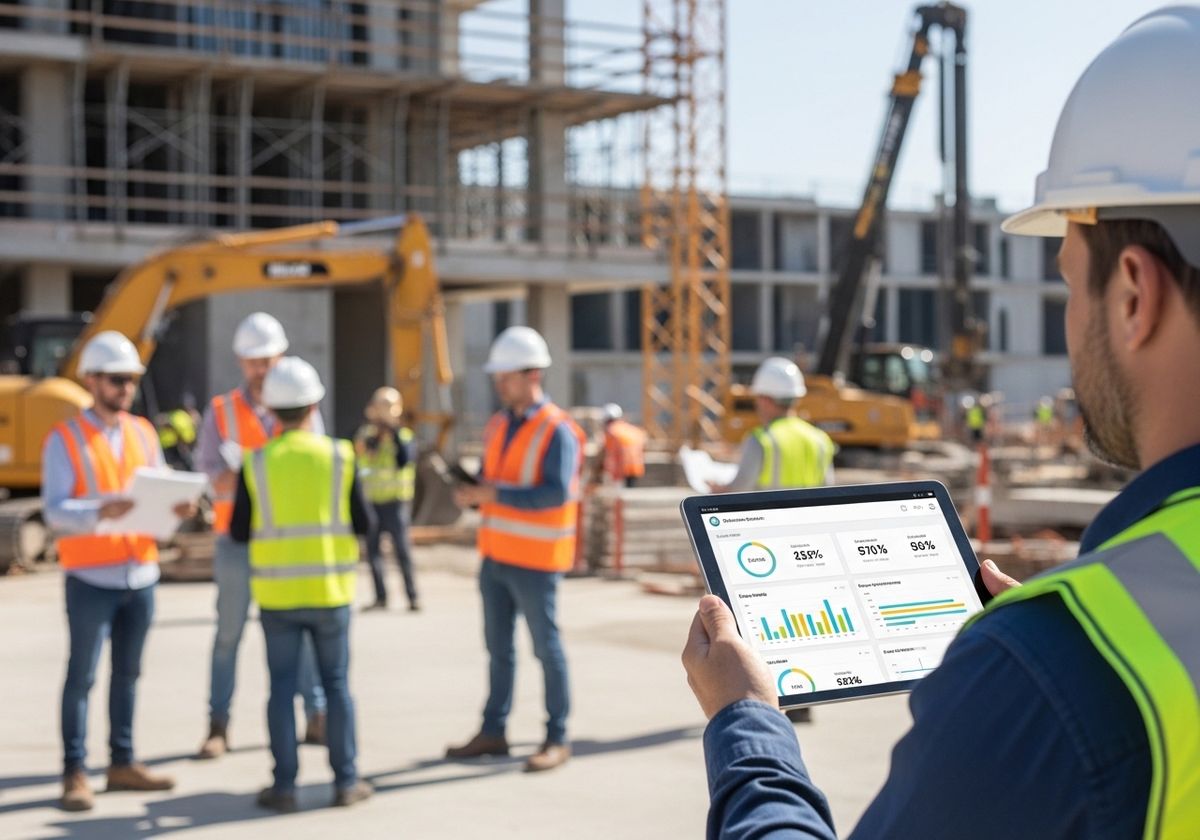
In today's digital age, compliance and risk management software plays a crucial role in enhancing construction site safety. These software solutions enable project managers to streamline safety processes, automate compliance checks, and track safety performance in real-time. By leveraging technology, construction companies can improve safety outcomes, reduce administrative burdens, and ensure compliance with regulatory requirements. With SnapAuditAI you can plan smarter, address issues early, and maintain clear accountability, ultimately reducing risks and keeping crews safe.
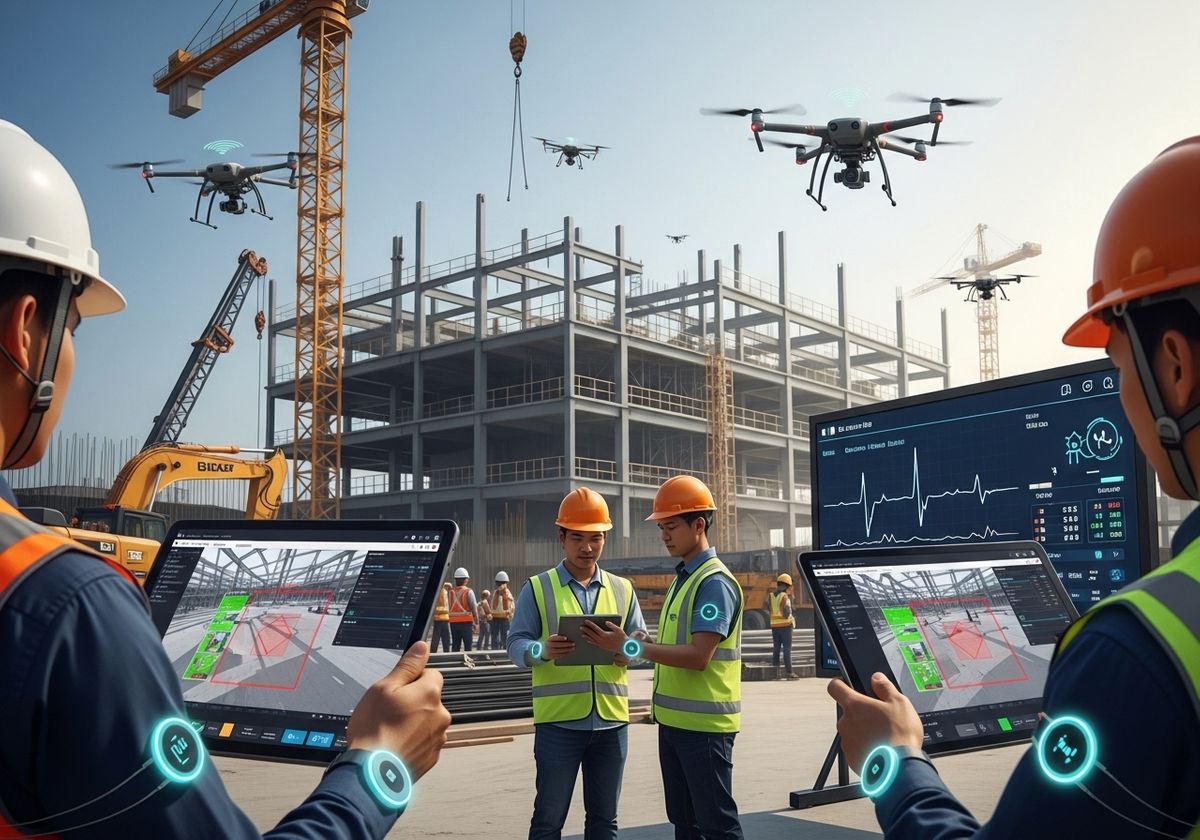
The Role of Technology in Construction Site Safety
Advancements in technology have revolutionized construction site safety. Drones equipped with high-resolution cameras can conduct site inspections, identify hazards, and monitor worker activities from a safe distance. Wearable sensors can track worker location, physiological data, and environmental conditions, providing real-time alerts in case of emergencies. Building Information Modeling (BIM) software enables project teams to visualize potential hazards and plan safety measures during the design phase.
Conclusion
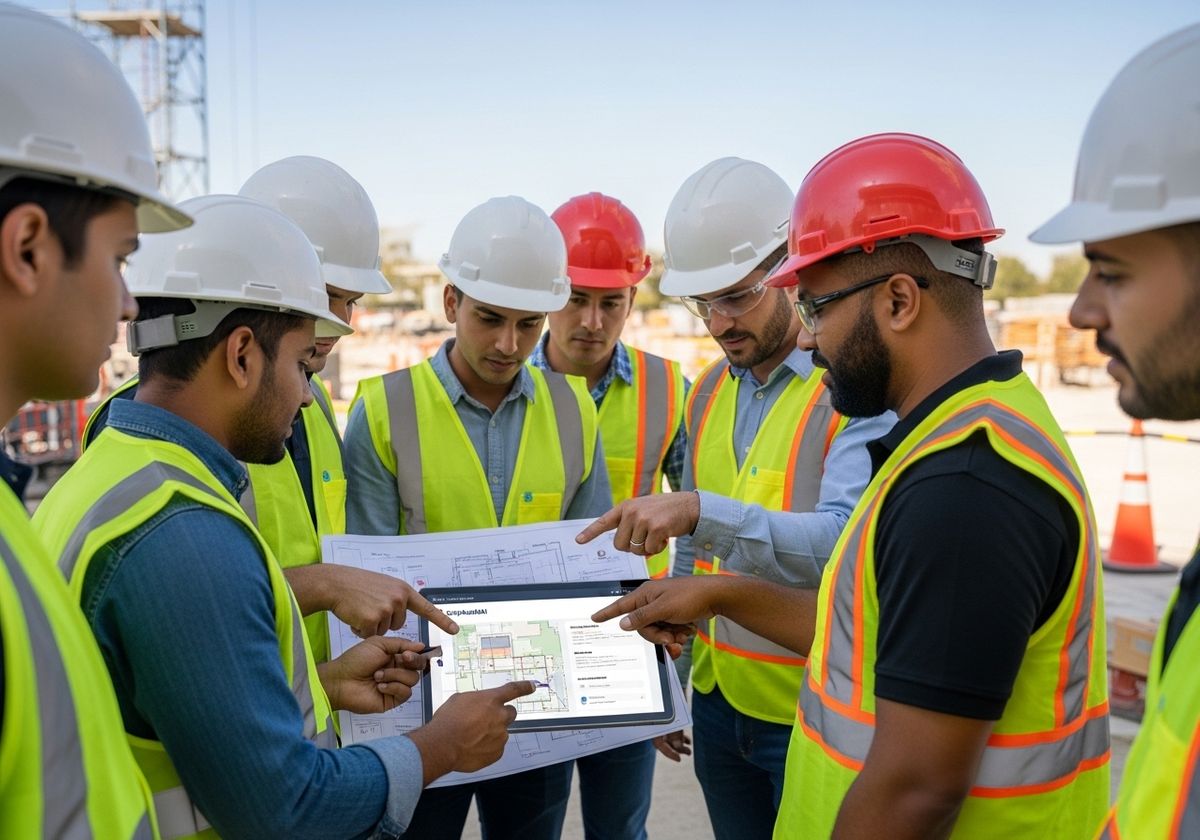
Better planning is essential for enhancing construction site safety and reducing the risk of accidents and injuries. By prioritizing hazard identification, integrating safety into project management, and leveraging technology, construction companies can create a safer work environment for their employees. SnapAuditAI, founded in 2024, offers a safety intelligence platform designed for the unique challenges of construction and high-risk environments, helping crews identify hazards using real jobsite photos and sound judgment. To discover how SnapAuditAI can transform your approach to construction site safety, visit our website or contact us for a demo, and remember our slogan: Safer Worksites Made Simple.